
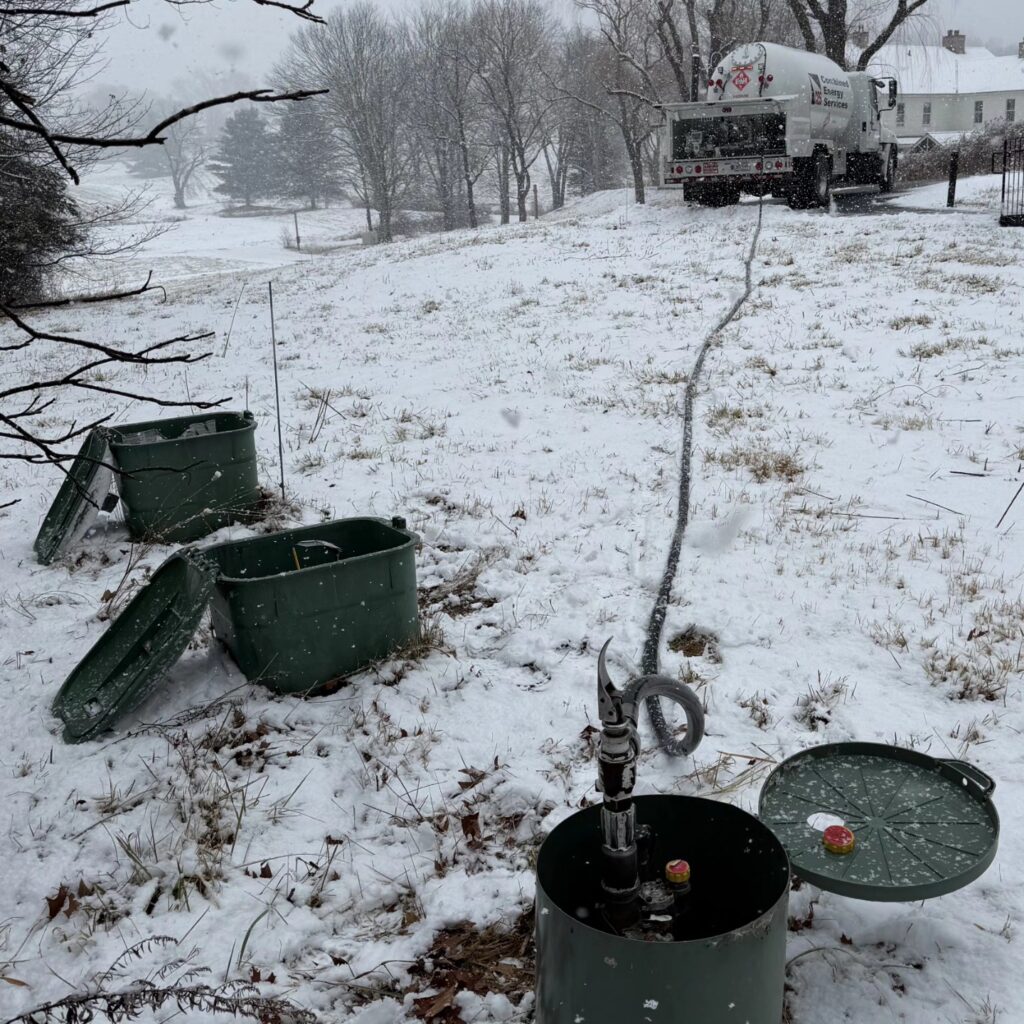
Winter in the Northeastern United States is never mild — but when prolonged cold snaps settle in, propane and heating oil consumption rises quickly. For homeowners and businesses that rely on delivered fuels, colder-than-average temperatures can impact everything from daily usage to delivery schedules and seasonal costs.
At Combined Energy Services, we closely monitor weather patterns, fuel supply, and demand so our customers stay warm, comfortable, and informed all winter long. Here’s how cold weather affects propane and heating oil consumption — and what it means for you.
Why Cold Weather Increases Fuel Consumption
When outdoor temperatures drop, heating systems must work harder and longer to maintain comfortable indoor temperatures. Energy experts track this using Heating Degree Days (HDDs) — a measurement that reflects how much heating is required based on daily temperatures.
Simply put:
- The colder it gets, the more fuel your system burns
- Extended cold spells mean furnaces and boilers run more frequently
- Homes lose heat faster during extreme cold, increasing demand even further
This is especially true in the Northeast, where older homes, larger living spaces, and longer heating seasons are common.
Propane Use Spikes During Cold Snaps
Propane is widely used across rural and suburban areas of the Northeast for:
- Home heating
- Hot water
- Cooking
- Backup generators
During sustained cold weather:
- Propane systems run longer each day
- Tanks are drawn down faster
- Delivery demand increases across entire service areas
While propane inventories often start winter at healthy levels, sharp temperature drops can quickly accelerate usage, making timely deliveries more important than ever.
Heating Oil Demand Rises with Prolonged Cold
Heating oil remains a primary heating source for many Northeastern homes. Cold weather has a direct and immediate impact on heating oil consumption because oil-fired systems typically operate at high output during freezing conditions.
As temperatures fall:
- Burn rates increase
- Tanks empty more quickly than during average winters
- Households may require more frequent refills
This is why colder-than-normal winters often lead to higher seasonal heating oil usage, even if fuel prices remain relatively stable.
Cold Weather Can Strain Fuel Delivery Networks
When cold weather hits an entire region at once, fuel demand increases everywhere — not just in one town or county. This can place added pressure on:
- Fuel terminals and storage facilities
- Trucking and delivery logistics
- Driver availability during peak demand periods
In some winters, states have even issued emergency declarations to allow extended delivery hours so propane and heating oil can reach customers more efficiently.
At Combined Energy Services, proactive planning and experienced logistics teams help ensure reliable service, even during high-demand periods.
What This Means for Your Heating Costs
Higher fuel consumption doesn’t always mean higher prices — but it does mean:
- You may use more gallons over the course of the season
- Automatic delivery and monitoring become especially valuable
- Budget plans can help smooth out seasonal fluctuations
When cold weather lasts longer than expected, total heating costs are driven more by how much fuel you use, not just the price per gallon.
How Combined Energy Services Helps You Stay Prepared
We work year-round to help our customers stay ahead of winter demand by offering:
- Automatic delivery options to prevent run-outs
- Budget and price protection plans for predictable billing
- Experienced local drivers who understand winter conditions
- Reliable supply planning during peak heating season
Our goal is simple: dependable comfort when you need it most.
Stay Warm, Stay Informed
Cold weather is a fact of life in the Northeast — but surprises don’t have to be. Understanding how winter temperatures affect propane and heating oil consumption helps you plan ahead and heat with confidence.
If you have questions about your fuel usage, delivery options, or winter preparedness, Combined Energy Services is here to help.